Professional Tire Solutions: Return to Driving With Safety and Speed
Skilled tire restoration serve an essential function in protecting vehicle safety and performance. Experienced professionals undertake thorough inspections to uncover assorted tire concerns. From flats to alignment complications, each issue warrants careful focus. Knowing when to seek professional guidance can prevent ensuing troubles. As drivers encounter these hurdles, they may contemplate the most suitable repair options and care standards. Investigating these areas can facilitate informed decisions and safer experiences down the road.
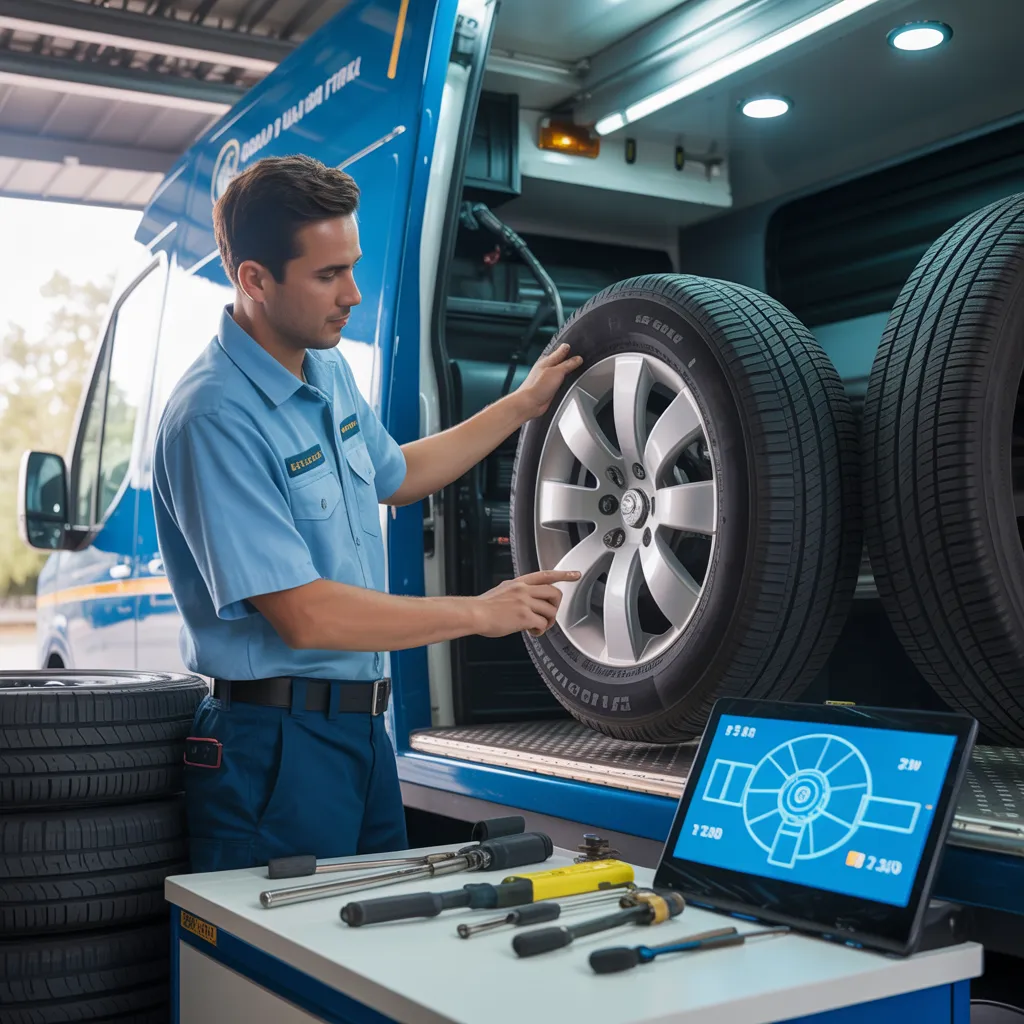
Common Tire Problems to Know
When motorists ignore their tires, they may face several typical problems that can affect safety and performance. One frequent occurrence is underinflation, which can lead to increased tire wear and lower fuel efficiency. Over time, this can cause the tires to overheat, raising the risk of a blowout. Another common problem is tread wear, which affects traction and handling, particularly in wet conditions. Uneven wear may indicate alignment or suspension issues, requiring further inspection. Additionally, drivers may face punctures or sidewall damage from road hazards, leading to slow leaks or complete tire failure. Routine tire maintenance including rotations and inspections with correct inflation are essential for preventing these issues. Finally, environmental conditions can also contribute to tire degradation, making it essential for drivers to pay close attention to their tire health. By recognizing these common problems, drivers can improve their safety on the road.
How to Know When to Get Tire Repairs?
Identifying the symptoms that tire work are important is critical for preserving vehicle safety and performance. Drivers ought to remain vigilant for particular warning signs that suggest tire issues. Uneven wear patterns on the contact surface, for instance, may reveal alignment complications or inadequate inflation. Moreover, visible damage, like gashes, bumps, or perforations, commonly requires immediate response. A rapid reduction of air pressure or constant requirement for inflation also indicates that servicing may be necessary.
Motorists should pay close attention to handling and performance changes, such as vibrations or pulling to one side, which could signal tire imbalances or internal damage. Lastly, regularly assessing tread depth is vital; tires with worn or bald spots reduce traction. By observing these signs, drivers can confirm timely repairs, boosting both safety and vehicle lifespan. Quickly addressing these issues not only stops potential accidents but also cuts more costly repairs later.
A Guide to Understanding the Tire Repair Process
The tire repair procedure typically involves several key phases to guarantee safety and efficiency. Initially, a technician inspects the tire for visible damage and assesses its overall condition. This examination helps decide whether the tire can be repaired or needs replacement. Following the inspection, the technician may take off the tire from the wheel to identify punctures or internal damage.
Once any issues are identified, the technician cleans the damaged area and prepares it for repair. This may include installing a patch or insert, based on the type and location of the harm. After the repair is finished, the tire is reinstalled and properly inflated to the manufacturer's specifications.
Finally, a quality check confirms that the work adheres to safety standards. Throughout the process, service professionals focus on dialogue, updating the customer of findings and recommendations. This organized system guarantees a reliable repair, permitting vehicle operators to go back to the road with peace of mind.
Do-It-Yourself Tire Service versus Professional Assistance
Once learning the tire restoration process, many drivers may evaluate whether to manage fixes by themselves or obtain professional assistance. DIY tire repairs can be appealing, especially for those with basic technical skills and implements. Easy punctures can often be fixed using repair kits sold at auto supply stores, saving both effort and expenses. However, this method carries risks if appropriate techniques are not utilized, conceivably causing additional deterioration or safety concerns.
Conversely, expert tire repair providers present specialized knowledge and advanced tools. Trained technicians can accurately evaluate tire issues, making sure repairs are dependable and safe. They can also recognize concealed issues that a DIY approach might fail to notice. Ultimately, the decision regarding professional assistance versus DIY repairs is based on the driver's confidence, expertise, and the extent of the tire damage. Establishing a thoughtful choice is critical for keeping yourself safe on the road.
Guide to Picking the Optimal Tire Repair Service
What steps can drivers take to guarantee they select the best tire repair service? First, they should investigate nearby options, paying attention to customer testimonials and scores. This information provides perspective into the service quality and trustworthiness of various shops. Next, reviewing for credentials and affiliations with reputable automotive organizations can suggest competence and expertise.
Moreover, drivers should inquire the types of repairs available, confirming the facility can resolve their specific tire issues. Honest pricing is also critical; reputable services give clear quotes without unexpected fees.
Moreover, examining the shop's repair guarantees on repairs can give reassurance. Finally, convenience matters—distance from your residence or job, as well as operating hours, can determine the selection. By reviewing these considerations, motorists can assuredly select a auto repair shop that addresses their needs effectively.
Plusses of Habitual Tire Upkeep
Regular tire upkeep offers numerous advantages that extend the life span and functionality of tires. By regularly inspecting tire pressure, tread depth, and overall condition, vehicle owners can guarantee ideal traction and handling. Proper inflation reduces wear, enhancing fuel efficiency and saving money at the pump. In addition, routine checks can help detect problems such as uneven wear or harm, allowing for timely repairs that prevent greater issues down the road.
Maintaining car tires also enhances safety by lowering the risk of tire bursts or accidents caused by worn tread. Additionally, a properly kept set of tires adds to a smoother ride, boosting comfort for the driver and passengers. By investing time in regular tire care, individuals can optimize the value of their investment, securing reliable performance and peace of mind while driving. Finally, maintaining tires regularly is a crucial element of being a applicable information responsible vehicle owner.
Tips for Avoiding Future Tire Problems
Deliberately maintaining tires can greatly reduce the likelihood of later setbacks. Regularly testing tire pressure is vital; deflation can trigger untimely wear and reduced fuel efficiency. It is wise to inspect tires for visible damage, such as cuts or bulges, which may point to structural issues. Cycling tires every 5,000 to 8,000 miles helps guarantee even wear, increasing their lifespan.
Moreover, maintaining correct alignment and balance is crucial to prevent uneven tread wear. Drivers should also examine tread depth, applying the penny test as an effective method; if Lincoln's head is visible, it's time for a new tire. Finally, preventing vehicle overload can reduce excessive strain on tires. By executing these strategies, vehicle owners can enhance tire lifespan and create a safer driving experience.

Frequently Asked Questions
How long will a typical tire repair take?
A routine tire repair ordinarily requires around 30 minutes to an hour depending on the level of damage and the exact repair needed. Considerations like technician readiness and shop demand can also impact the duration.
Are All Wheel Varieties Repairable?
Not all tire types can be fixed. Generally, tread area punctures of passenger tires may be repairable, while sidewall damage, excessive deterioration, or tires with several prior fixes often necessitate replacement to ensure safety.
How Much Does Tire Service Cost?
Tire mending expenses typically sit between $10 to $30, contingent on the degree of damage and site. Aspects such as tire classification and the repair shop may shape the ultimate cost, making it variable.
Does Your Insurance Include Tire Fixes?
Tire damage coverage differs depending on which insurance plan you have. Various policies include roadside assistance or repair expenses, but some do not cover these benefits. It's essential for people to look over their individual policy details to understand their coverage regarding tire fixes.
How Might I Extend the Life Span of My Tire?
To extend a tire's operational life, standard care is essential. This consists of maintaining proper tire pressure, executing regular rotations, verifying wheel alignment, limiting excess cargo, and assessing tread wear for indications of wear and damage.